
Lulu is a seven-year-old Maltese, seven pounds on a good day, and she has the kind of coat that shows every speck of dirt she walks past. For years I thought white was just white. Then I started noticing the yellow. It sat on the backs of her front legs and around her muzzle, and no amount of brushing on the towel at my kitchen table made it look any better. She was not dirty. She was dingy, and that is somehow worse when the whole point of the dog is that she is white.
I tried what people told me to try. Baby shampoo, because a friend at church swore by it. Then a whitening shampoo from the pet store that smelled like a cleaning product and left her coat feeling like straw for a week. Neither one touched the yellow, and the second one left her skin looking pink, which cost me an afternoon at the vet's office and a lecture I did not need at sixty-three years old.
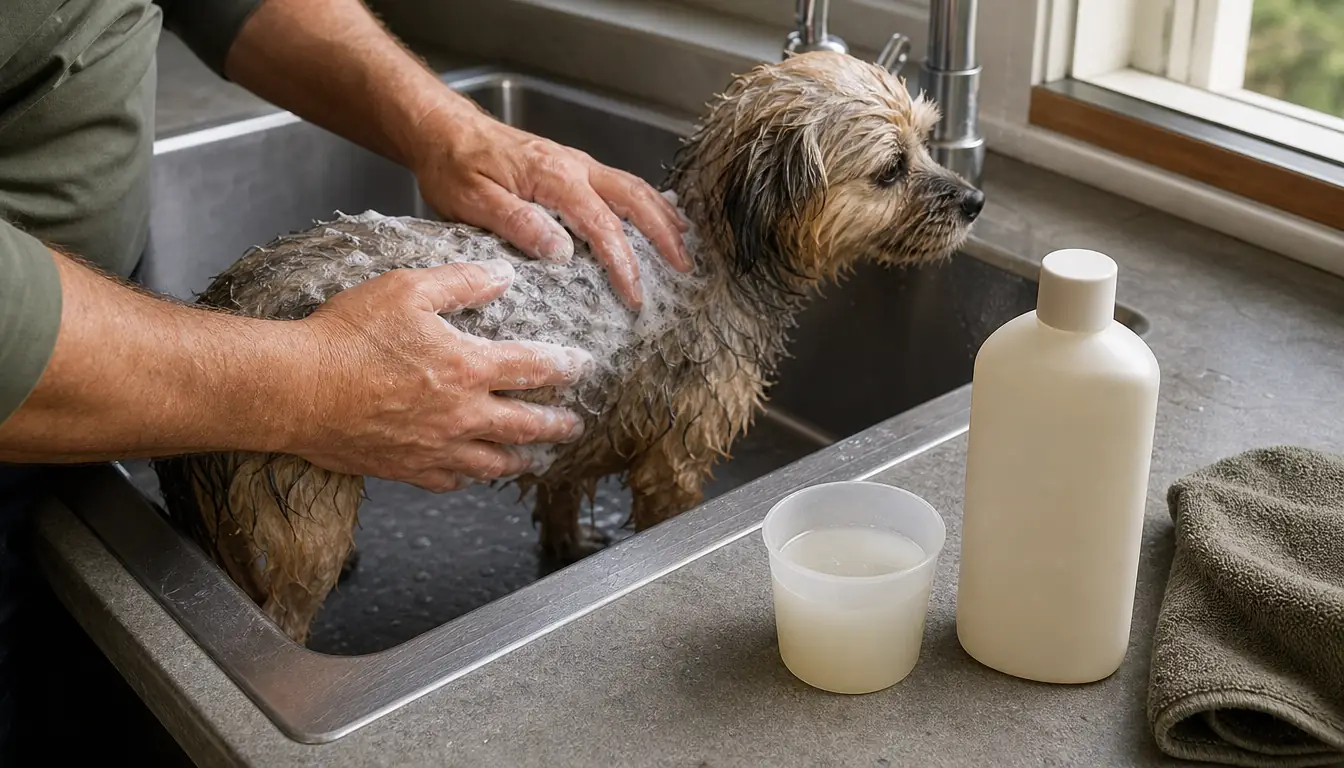
In March I bought a bottle of TropiClean Whitening shampoo, the ultra white brightening formula, twenty ounces, awapuhi and coconut. I picked it because the label said pH balanced and free of parabens and dye, and because I wanted something I could use between groomer visits without a fuss. Lulu gets a bath in the kitchen sink every two to three weeks, so I had plenty of chances to judge it. The bottle is small enough to sit on the shelf under the sink next to the spare dish towels.
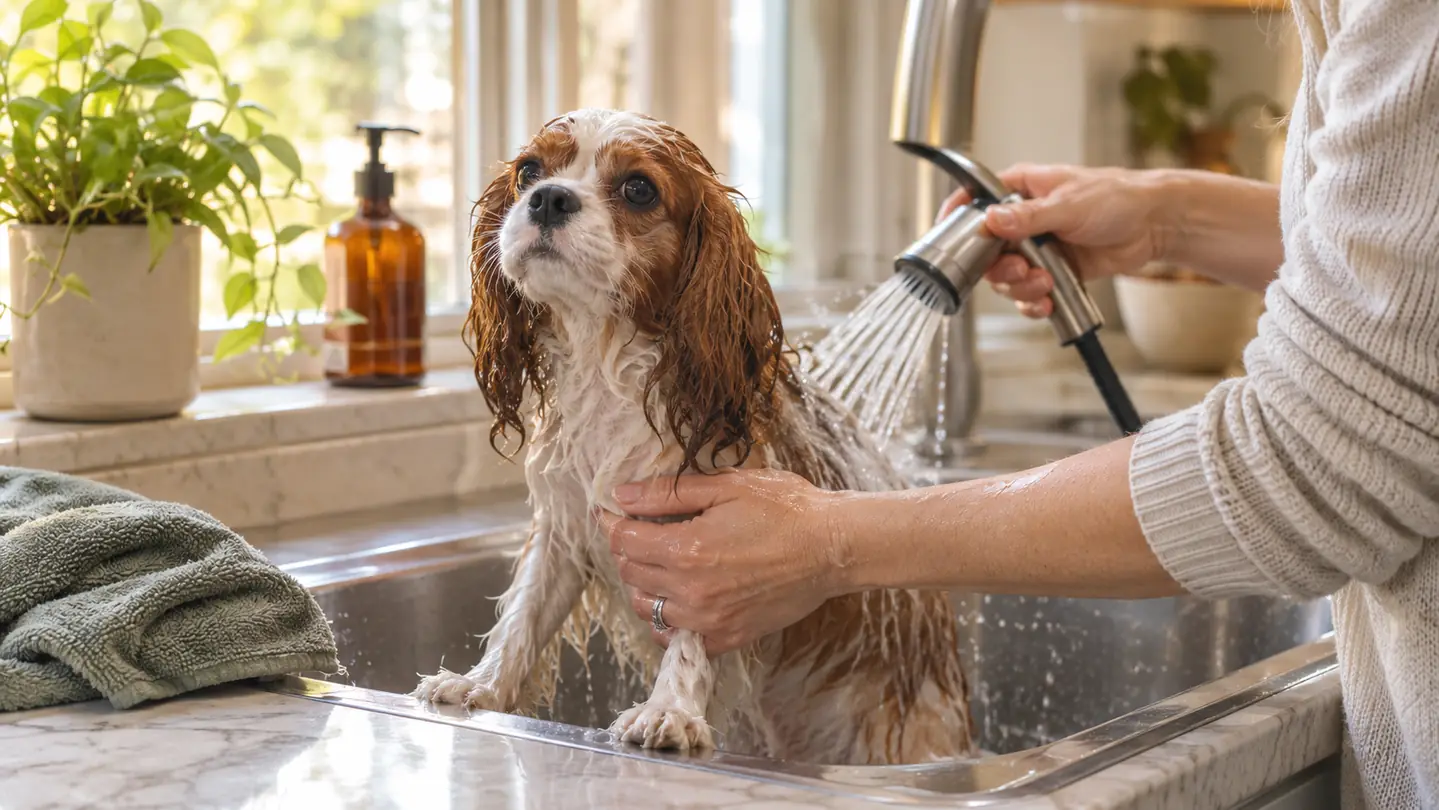
Here is what I do. A small squeeze into a cup of warm water first, because straight from the bottle it is thick and I always use too much. Then I lather her from the shoulders back, careful around the face, and rinse. Then I rinse again, which matters more than people think. Her coat dries softer with that second rinse, and the lather rinses out clean instead of leaving a film.
Two baths in, the yellow along the backs of her front legs had faded enough that my daughter noticed before I said a word. She walked in, looked at Lulu on the couch, and asked what I had done differently. That is the whole review, really. It did not turn her into a show dog. It took the dinginess out.
Two baths in, my daughter looked at Lulu on the couch and asked what I had done differently. That is the whole review.
The bottle that lives under my kitchen sink now
TropiClean Whitening shampoo, twenty ounces, awapuhi and coconut. Dilute a small squeeze in warm water, lather, rinse twice, then check the backs of the front legs in good light.
Amazon Check Today's Price on Amazon →March was the first bath. One squeeze in the cup, a good lather, two rinses, and I dried her on the towel on the kitchen table the way I always do. She looked clean but not different, and I told myself I had wasted my money again. Then I looked at her front legs in the light from the window over the sink, and the yellow was already less. Not gone. Less.
I want to be straight about what it does not do. It has not touched the tear staining under Lulu's eyes. That is a separate job, and in this house it is an unscented wipe every morning and the groomer trimming the stained hair out every eight to ten weeks. If you are buying this hoping it lifts rust-colored stains from around the eyes, you will be disappointed, and it is not fair to blame the shampoo for a job it was never built to do.
It is also a cosmetic shampoo, not a treatment. If your dog's skin is red, or she is scratching at herself, or her ears smell, that is a vet conversation, and no bottle on a pet store shelf changes it. What this does is clean gently, brighten the coat, and condition with vitamin E, and it does those three things well enough that I bought a second bottle when the first ran out.
The scent surprised me. Awapuhi and coconut sounds like something from a beach shop, and in the bottle it is strong. On a dried dog it settles into clean rather than perfume. Lulu sleeps against my leg on the couch in the evening, and I can still smell it on her four or five days later, which is more than I can say for the baby shampoo.
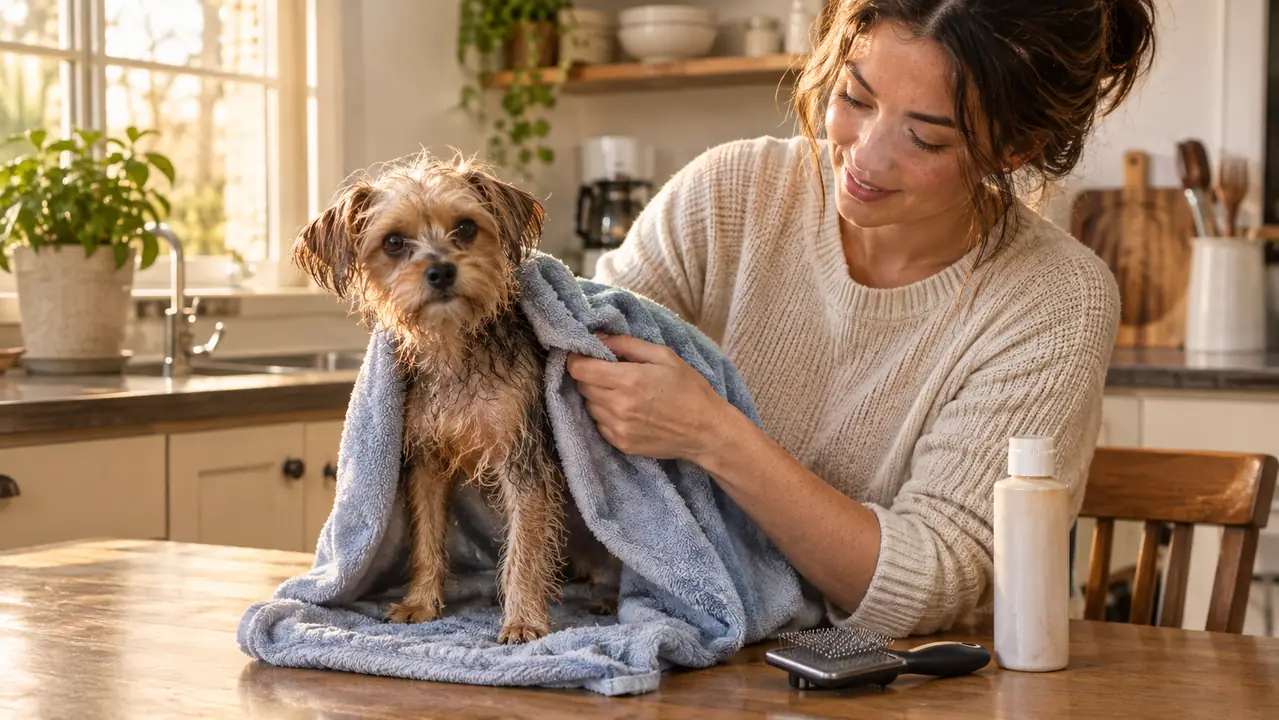
One twenty ounce bottle has lasted me a long stretch because of the dilution, and I am partway through my second. I use it alongside the slicker brush, on the folded towel on the kitchen table, most evenings for five or ten minutes. The shampoo handles the dinginess. The brush handles the mats behind her ears and under her front legs. Neither one does the other's job, and I wasted a year thinking the brush alone would be enough.
What I'd Tell You If We Were Sitting at My Kitchen Table
Dilute it, rinse twice, and do not judge it after one bath. Keep to every two to three weeks, because a white coat washed weekly goes dull and rough, and then you are back where you started with a drier dog. White coats go yellow slowly and they come back slowly. Two baths is not a transformation. Somewhere around the sixth is where I stopped looking at the yellow altogether and started noticing that Lulu looked like herself again.
And do not buy it expecting it to fix everything about a white dog. The tear stains are the wipes and the groomer. The mats are the brush. The yellow on the legs and the muzzle, that is the TropiClean, and it is the reason the bottle stays under my sink. If the skin underneath is red or angry, put the bottle down and call the vet. That is the whole of it, and it is what I would say to you across the table with a cup of coffee going cold.
For the little white dog who stopped looking white
The same twenty ounce bottle, between groomer visits. A small squeeze in a cup of warm water, a good lather, a second rinse, and a look at the legs in daylight.
Amazon Check Today's Price on Amazon →